
Designing your dream home is one of life’s most exciting journeys. But in the rush of choosing colors, fabrics, and furniture, many homeowners overlook key details that later turn into costly regrets. A home should feel beautiful, functional, and deeply personal — yet even small mistakes in the design process can cost you time, money, and peace of mind. To save you from these common pitfalls, we’ve rounded up the four most frequent design mistakes homeowners make — and how to avoid them.

1. Ignoring Proper Space Planning
One of the biggest design disasters is poor space planning. Oversized furniture in a small room or a cramped kitchen layout can make your home feel uncomfortable and less functional. Fix: Always start with a detailed layout plan before choosing furniture or décor. Professional space planning ensures every inch of your home is used smartly, balancing comfort and aesthetics.

2. Choosing Style Over Functionality
Many homeowners focus only on how a space looks, forgetting how it will be used daily. For example, a glossy countertop may look stunning but scratch easily, or a beautiful sofa may not provide the comfort your family needs. Fix: Blend style with practicality. An interior designer can help you select finishes, furniture, and layouts that not only look great but also work perfectly for your lifestyle.

3. Overlooking Lighting Design
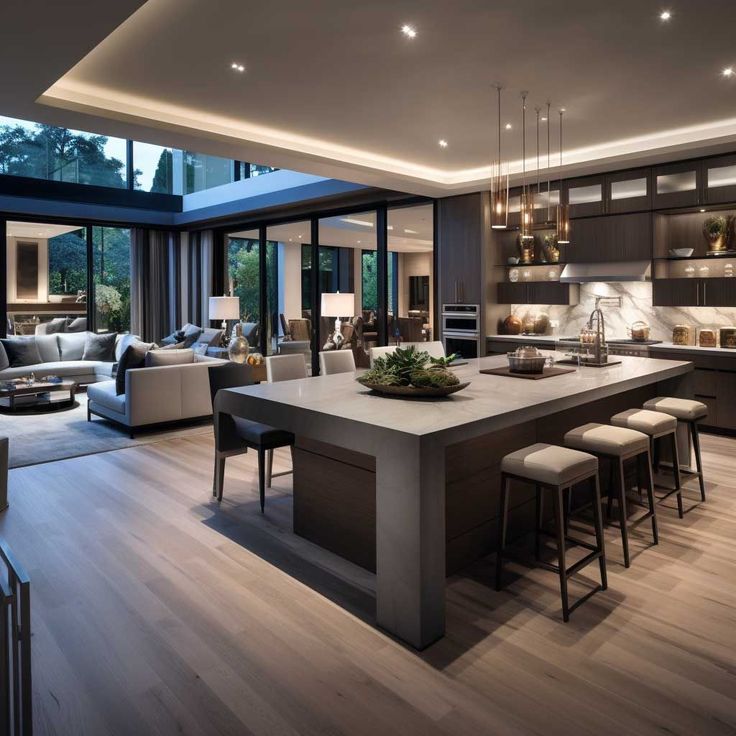
Lighting is often treated as an afterthought—but it can make or break your interiors. Relying only on ceiling lights can leave your rooms feeling flat, dark, or uninviting. Fix: Layer your lighting. Use a mix of ambient, task, and accent lighting to create warmth, highlight design features, and improve functionality. Smart lighting placement adds depth and mood to your home.

4. Forgetting Personalization
Pinterest-worthy designs look amazing online, but copying them without customization can leave your home feeling impersonal. Your space should reflect you—your lifestyle, culture, and personality. Fix: Add personal touches through artwork, colors, textures, or custom furniture. Work with a designer who listens to your story and translates it into unique spaces that feel truly yours.